
Setup from the First Whistle
Heading into the final, expectations leaned toward stability. Both managers had stuck to familiar blueprints through the knockout rounds. We assumed a 4 3 3 from the favorites, with their usual emphasis on width and high pressing, while the underdogs were tipped for a more cautious 4 2 3 1 setup, stacking the midfield for protection. The twist? A surprise from the underdogs a compact 3 5 2 that clogged the central lanes and forced play wide. It caught the opposition off guard in the first quarter hour.
That early phase was cagey but telling. The underdogs pressed early, not all out, but enough to disrupt rhythm. Their midfield box closed gaps quickly and limited forward passing. That let them dictate the tempo not with possession, but by killing the other side’s flow. The favorites had more of the ball, but the wrong kind: slow, lateral, anxious.
The full backs were quietly pivotal. The underdogs’ wingbacks pushed high early, daring the opposition wingers to track back many didn’t. It bought their midfielders room to breathe and allowed their wide center backs to step up confidently. On the other side, the holding midfielders were reactive, pinned deeper than usual due to the risk of overloads in wide channels. That territorial loss in the central third set the tone: the favorites spent much of the first half solving problems they hadn’t seen coming.
Key Tactical Shifts
As the match unfolded, both managers made sharp in game tweaks that reshaped the tempo and balance. The first major adjustment came just after the 30 minute mark Team A shifted from a 4 2 3 1 to a hybrid 3 4 3, pushing one full back higher to add width and pin back the opposing winger. This opened space centrally but also gave them more bite in the attacking third. Team B responded with a compact 4 4 2 press, funneling play into the flanks and forcing turnovers near the halfway line.
Injury to Team B’s starting number six midway through the second half forced a reroute. The manager introduced a more attack minded midfielder, which temporarily loosened the shape but injected vertical threat. That gamble paid off minutes later with a breakaway chance that shook the post.
The turning point, though, came from the bench. Team A’s double substitution in the 70th minute introduced fresh legs and pressing triggers higher up the pitch. Their super sub previously underused this season found pockets between the lines and dragged defenders out of position. Ten minutes later, he picked up a loose ball and slotted in the equalizer. From there, momentum tilted hard.
This wasn’t just about who started best it was about who adapted when control slipped. And in this final, those tweaks defined the outcome.
Defensive Discipline and Pressing Patterns
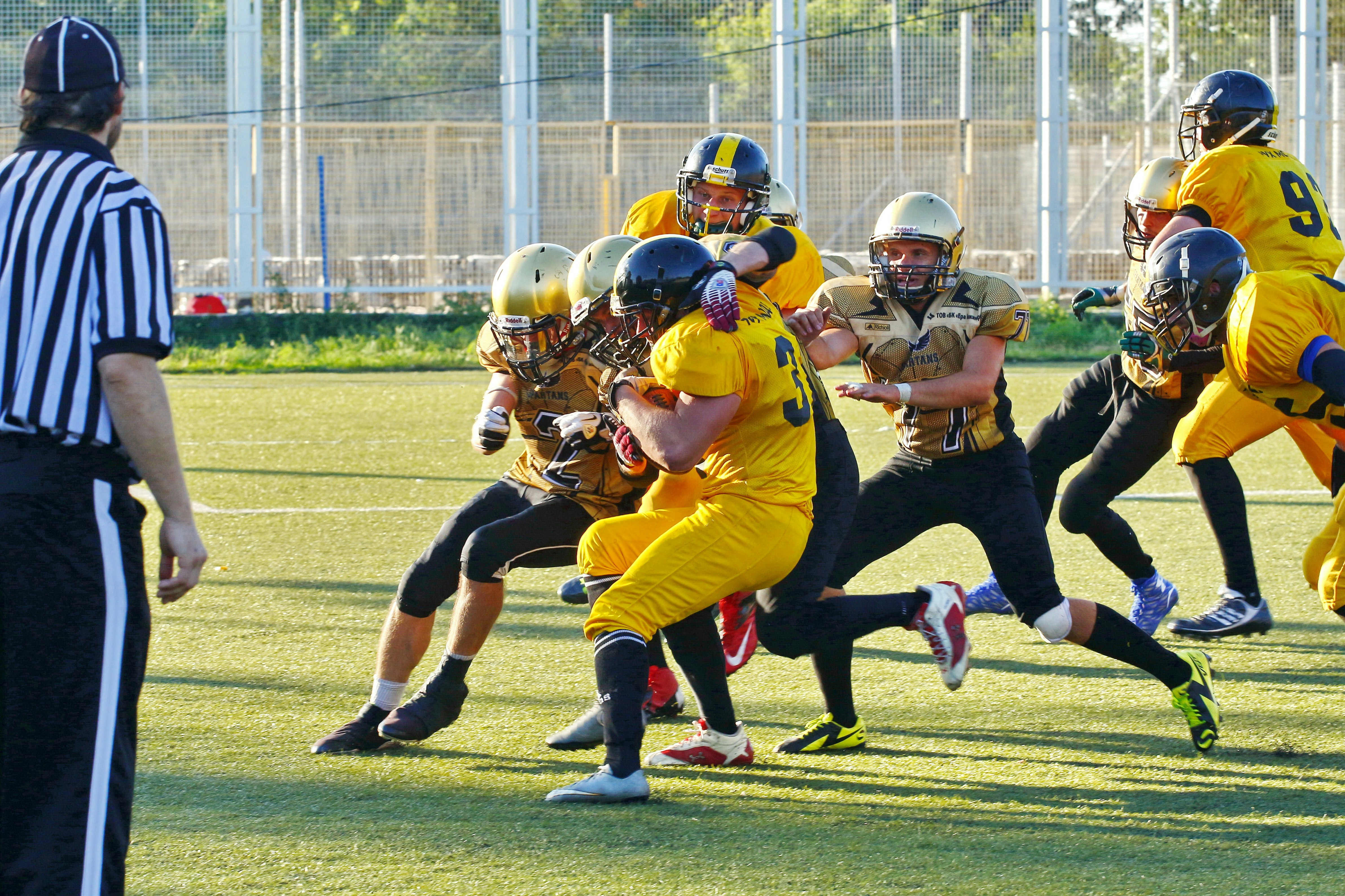
From the first whistle to the final whistle, this match was a masterclass in defensive structure. One side leaned heavily on zonal marking, staying compact in their mid block and shifting collectively with the ball. The other took a more aggressive stance man on man in midfield and high up the flanks, often risking space behind in exchange for disrupting rhythm early.
Zonal systems thrived in controlling central lanes, especially during build up suppression, but man to man coverage unsettled ball carriers and broke passing patterns when executed sharply. The team that pressed higher looked to trap near the touchlines cutting off passing lanes and forcing poor decisions. Their full backs stepped up, almost sitting in midfield during possession, daring the opposition to play out or go long.
Several individual battles stood out. The left winger’s ongoing clash with the opposing full back gave fans a proper duel pace vs. positioning. Elsewhere, a holding midfielder constantly shadowed the opposition’s playmaker, effectively removing them from the game for long stretches. These weren’t just tactical quirks they shaped the momentum, turned possession, and often led to the game’s most dangerous shifts in tempo.
Transition Moments and Counterplay
This final didn’t wait around. The match tilted into a sprint game early, with both teams finding joy in chaos rather than structure. Press high, regain fast, and surge forward that was the rhythm. Once the midfield was bypassed, it became a race to exploit space left behind. Especially in wide areas, where full backs were either too advanced or too slow in recovery, counterattacks bloomed.
Turnovers in the middle third were gold. Every loose touch or mistimed pass triggered transitions that led to high xG chances. Neither side sat back. They hunted. It wasn’t about dominating the ball it was about punishing the instant it was lost. That style produced open field sprints, 3v3 scenarios, and goalkeepers living on the edge.
Defensive transitions told two different stories. One team dropped quickly into shape after losing possession, forcing play wide and slowing down counters. The other gambled committing bodies forward and scrambling to recover. It worked until it didn’t. The spacing between midfield and backline became a weakness. A few missed tackles and split second decisions led to big chances. This wasn’t cautious cup football it was a knife fight in transition where every mistake had consequences.
Statistical Snapshot
This final wasn’t just about flair or set piece drama it was a numbers game throughout. Both teams registered over 10 shots, but the story lies deeper. Possession tilted slightly toward the eventual winner, clocking 56%, but the quality of chances created made the real difference. One side generated an expected goals (xG) figure of 2.1, converting just once. The other? An xG of 1.2 but scored twice efficient, sharp, clinical.
Passing accuracy stayed tight, with both midfields operating at over 85%. But it was progressive passing balls that actually moved the attack forward that split them. One team took more vertical risks, leading to faster breaks, which blurred the lines between structured buildup and chaos.
Heat maps showed two midfield engines covering nearly every blade of grass. One clocked in at 12.4 kilometers, leading the match in distance covered. The match wasn’t stagnation; it was movement presses, recoveries, recover runs. All wrapped in a tactical shell. For those who want to dive into the match numbers themselves, check the latest game scores.
The Bigger Picture
The Evolution of European Football Tactics
This final wasn’t just a showcase of elite talent it was a reflection of how European football tactics have evolved in recent years. Gone are the days of rigid systems and predictable substitutions. Top clubs now trade in adaptability and data informed decision making.
Key tactical trends observed:
Fluid formations: Managers set up their teams to shift between structures in and out of possession, making it hard to categorize them in traditional terms.
Press proof midfields: The emphasis on technically gifted holding players who can receive under pressure and control the tempo.
Wide overloads: Full backs and wingers working in tandem to stretch defensive blocks and create space centrally.
Tactical fouling and game management: Fine margins were influenced by strategic interruptions and tempo control.
This match served as a proof point that success at the highest level now requires not just execution, but intelligent in game adaptation.
Lessons for Future Champions League Contenders
Teams aiming to lift the trophy in future seasons will need to elevate both their tactical frameworks and squad depth. This final highlighted several key lessons:
Depth on the bench is critical: Impact substitutes didn’t just maintain intensity they changed the dynamic of the match.
Managerial flexibility wins matches: Sticking to Plan A is no longer enough.
Preparation for multiple game states: From dominating possession to defending deep, finalists need to excel under various scenarios.
Balancing defensive structure with risk taking: Defensive discipline must coexist with transitional threat.
Future contenders must prioritize versatility both in their players and in their preparation.
Long Term Takeaways for Clubs, Fans, and Analysts
Beyond the immediate result, this final leaves a legacy that extends to every corner of the football world:
For Clubs:
Continued investment in analytics departments and sports science is no longer optional it’s fundamental.
Recruitment must consider not only talent, but tactical fit and adaptability.
Developing multi functional players who can thrive in hybrid roles is a competitive edge.
For Fans:
Understanding tactical nuance adds depth to viewing what happens off the ball often defines the game.
Player positioning, pressing patterns, and transitional moments offer rich stories beyond the scoreboard.
For Analysts:
Data context integration is key stats without tactical understanding can mislead.
Video analysis tools will play a growing role in public discourse and professional scouting alike.
This Champions League final offered more than a winner it provided a tactical blueprint for future success. For recent data on team momentum and performance indicators, visit the latest game scores.